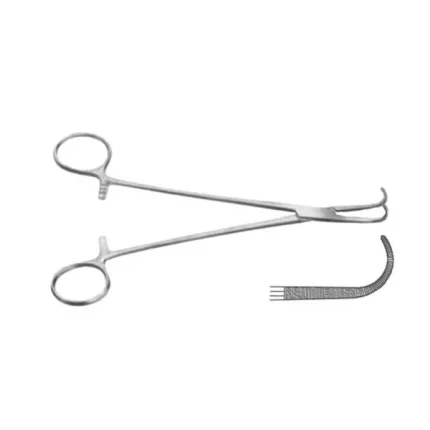
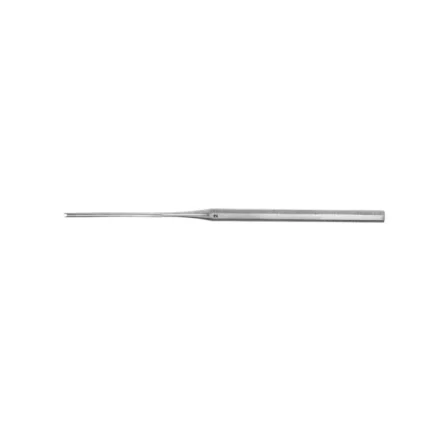
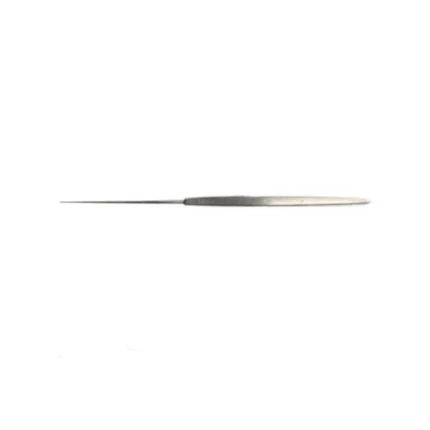
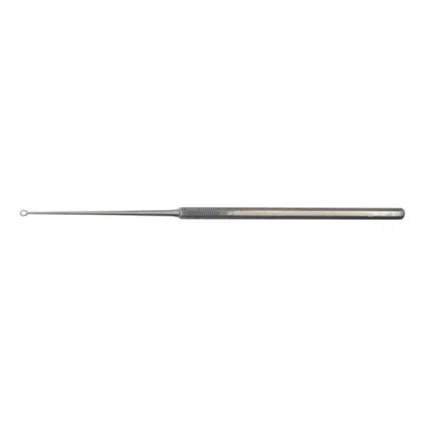
Freer-Yasargil Elevator
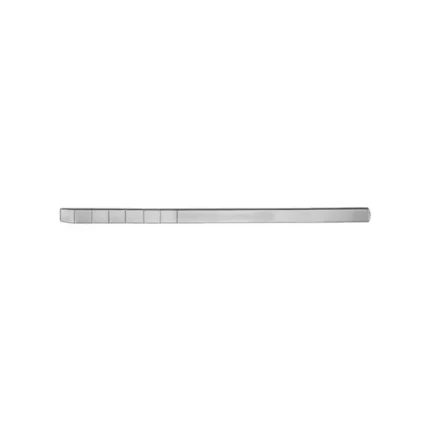
The Freer-Yasargil Elevator (ASI-8192) is a premium surgical instrument designed for precision in ENT and delicate surgical procedures. Crafted from high-grade German steel, this tool offers exceptional strength, corrosion resistance, and long-lasting performance in demanding clinical environments. Its ergonomic balance ensures surgeons maintain steady control during intricate tissue dissection and elevation.
Featuring a specialized dual-action design, the instrument combines the broad utility of a Freer elevator with the fine precision of a Yasargil dissector. The matte, glare-reducing finish minimizes reflection under intense operating room lighting, protecting the surgical team from eye fatigue. It is ideal for nasal septal work, sinus surgeries, and delicate micro-dissections where tissue preservation is critical.
Manufactured in Sialkot, Pakistan, by Aero Surgical, each instrument adheres to rigorous quality standards. The lightweight handle allows for sensitive tactile feedback through the tip, letting surgeons feel subtle resistance changes. Simple to clean and fully autoclavable, the ASI-8192 is a durable, reliable addition to any surgical tray.
Frequently Asked Questions:
-
What is the primary function of the Freer-Yasargil Elevator (ASI-8192)? It is used to lift, separate, and dissect delicate tissues such as the mucoperichondrial during ENT and nasal procedures.
-
What material is used to make this instrument? It is manufactured using high-quality German stainless steel for superior durability and corrosion resistance.
-
What type of finish does the ASI-8192 have? It features a dull, matte finish that prevents light reflection and glare under surgical operating lights.
-
Who is the manufacturer of this surgical instrument? It is manufactured by Aero Surgical, located in Sialkot, Pakistan.
-
Which surgical specialties commonly use the ASI-8192? It is primarily used in Otolaryngology (ENT), facial plastic surgery, and neurosurgical or micro-dissection procedures.
-
How does the Freer-Yasargil design differ from a standard elevator? It integrates the tissue-separating blade of a Freer elevator with the fine control and curvature suited for Yasargil-style micro-dissection.
-
Is this instrument reusable? Yes, it is a reusable surgical-grade stainless steel instrument designed for repeated sterilization.
-
How should the ASI-8192 be sterilized? It can be sterilized using standard healthcare autoclaving procedures and medical-grade disinfectants.
-
Does the matte finish wear off over time? No, the matte surface treatment is integrated into the steel surface to resist chipping or wearing during normal cleaning and autoclaving.
-
What is the benefit of German steel over standard stainless steel? German steel offers higher tensile strength, better edge retention, and greater resistance to staining or rusting during processing.
-
Is the instrument latex-free? Yes, it is made entirely of stainless steel and contains no latex or rubber components.
-
Can it be used for nasal septoplasty? Yes, lifting the nasal mucosa off cartilage during septoplasty is one of its primary clinical applications.
-
What makes the handle comfortable for surgeons? The handle is ergonomically balanced to reduce hand fatigue and provide tactile feedback during precise movements.
-
Is the product edge sharp or blunt? It features a semi-sharp to blunt edge profile suited for blunt dissection without tearing surrounding tissues.
-
What product SKU or model number identifies this elevator? The specific model number for ordering or inventory tracking is ASI-8192.
-
How does the tool help reduce surgical glare? The dull matte surface absorbs light rather than reflecting it directly into the surgical team’s eyes.
-
Can this instrument be included in custom ENT surgical trays? Yes, its standard sizing and versatile utility make it a basic staple for general ENT and sinus tray setups.
-
How should the instrument be inspected before surgery? Check the working tips for burrs, alignment issues, or signs of pitting before each sterilization cycle.
-
Where are Aero Surgical products produced? They are produced in Sialkot, Pakistan, a globally recognized center for surgical instrument manufacturing.
-
Is the ASI-8192 suitable for pediatric ENT procedures? While designed for general use, its fine tip profile allows for precise application in both adult and appropriate pediatric cases.