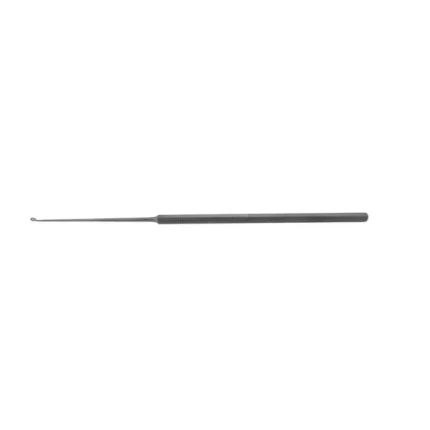
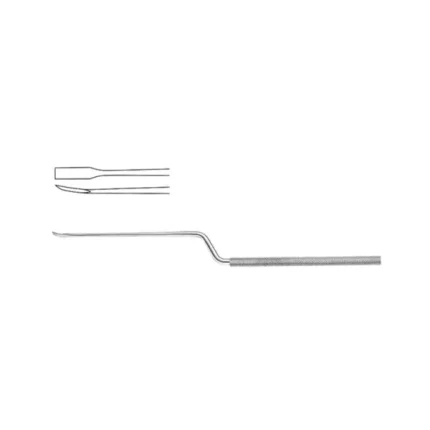
Cottle-Masing Elevator
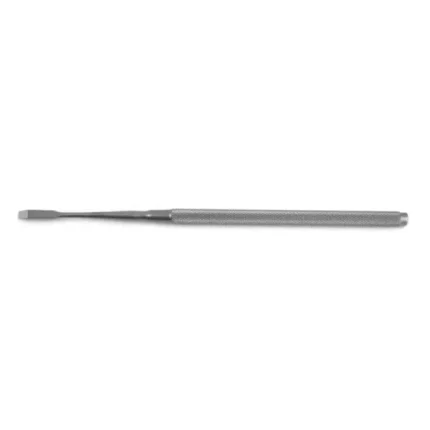
The Cottle-Masing Elevator (ASI-8186) is an essential surgical tool designed for ear, nose, and throat procedures. Crafted from high-grade German stainless steel, it offers exceptional durability and performance during delicate operations. This instrument features double-ended ends to maximize efficiency in the operating room. Surgeons can easily measure depth thanks to its clear graduated markings. The dull and matte finish minimizes glare under bright surgical lights. This non-reflective surface reduces eye fatigue during long procedures.
Equipped with a knurled center handle, this elevator provides an exceptional grip. The textured surface prevents slipping even when wearing wet gloves. It is expertly engineered for precise tissue dissection and elevation. The smooth, contoured ends safeguard surrounding delicate structures. Manufactured in Sialkot, Pakistan by Aero surgical Instruments, this tool reflects meticulous craftsmanship. It withstands rigorous sterilization cycles without rusting or degrading over time.
Frequently Asked Questions (FAQs):
-
What is the primary function of the Cottle-Masing Elevator?
It is designed for dissecting and elevating delicate mucosal tissues during nasal and ENT surgical procedures.
-
Is this instrument single-ended or double-ended?
The Cottle-Masing Elevator features a double-ended design, giving surgeons two functional tips in one tool.
-
What material is used to manufacture the ASI-8186?
It is constructed from high-quality German stainless steel for high strength and longevity.
-
Why does the elevator have graduated markings?
The millimeter graduation marks allow surgeons to accurately measure depth during procedures.
-
What type of finish is applied to the surface?
It features a dull, matte finish that prevents light reflection under surgical lamps.
-
How does the matte finish benefit the surgeon?
It minimizes glare, which reduces eye strain and improves visual precision during delicate surgeries.
-
What style of handle does this elevator feature?
It has a central knurled handle that enhances tactile grip and prevents accidental slipping.
-
Is this surgical tool reusable?
Yes, it is fully reusable and built to endure repeated autoclave sterilization cycles without corrosion.
-
Who manufactures the ASI-8186 Cottle-Masing Elevator?
It is manufactured by Aero surgical Instruments in Sialkot, Pakistan.
-
What medical specialty uses this instrument most frequently?
It is primarily used in Otolaryngology (ENT) and rhinoplasty procedures.
-
Are the working tips sharp or blunt?
It generally features blunted or semi-sharp tips to prevent accidental tissue puncture while dissecting.
-
Does the stainless steel rust over time?
It is made from surgical-grade German stainless steel, offering maximum resistance against rust and corrosion.
-
Can this instrument be used in other surgical fields?
While optimized for ENT, it can be used in plastic or facial reconstructive surgeries requiring fine tissue elevation.
-
How should the instrument be cleaned after surgery?
It should be rinsed immediately after use, ultrasonically cleaned, and autoclaved following standard sterilization protocols.
-
Does the handle design accommodate wet surgical gloves?
Yes, the textured knurling provides a firm grip even when hands or gloves are wet with fluids.
-
Why are double-ended elevators preferred in rhinoplasty?
They allow surgeons to switch between different tip profiles or lengths without needing to pick up another tool.
-
What is the product code for this specific Cottle-Masing Elevator?
The product model code for this item is ASI-8186.
-
How do the depth markings assist in nasal surgery?
They help the surgeon gauge how far the instrument has penetrated into nasal passages, ensuring patient safety.
-
Does the ASI-8186 comply with international surgical standards?
Yes, it is crafted under strict quality control standards typical of German-grade medical instruments.
-
Is this tool suitable for cartilage elevation?
Yes, it is commonly used to separate mucoperichondrial flaps from the nasal septal cartilage cleanly.