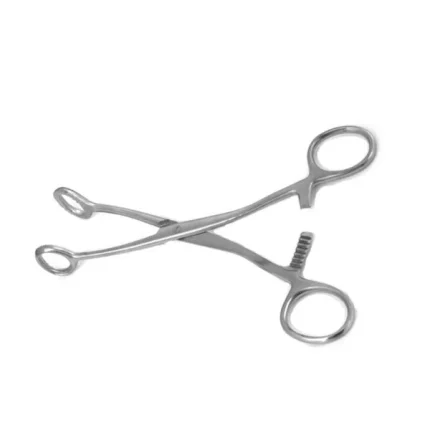
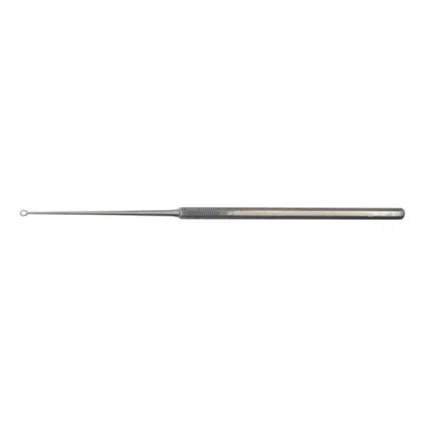
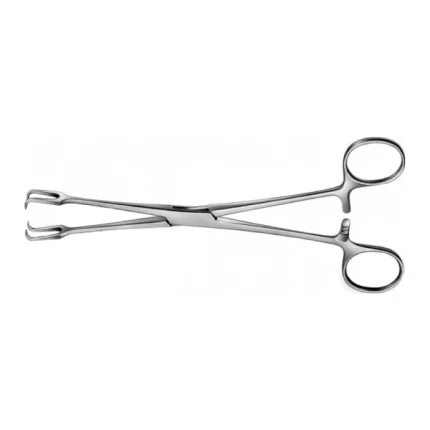
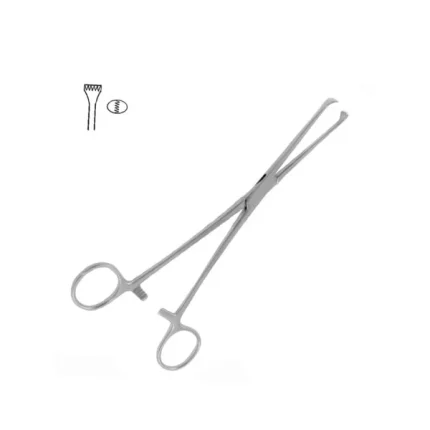
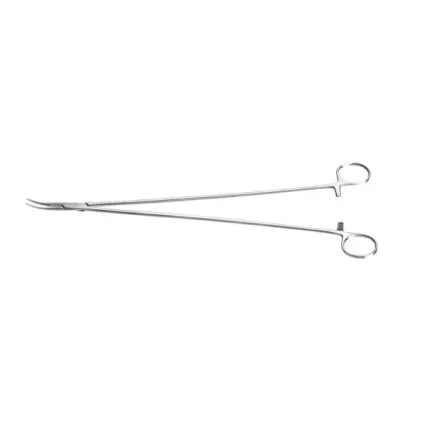
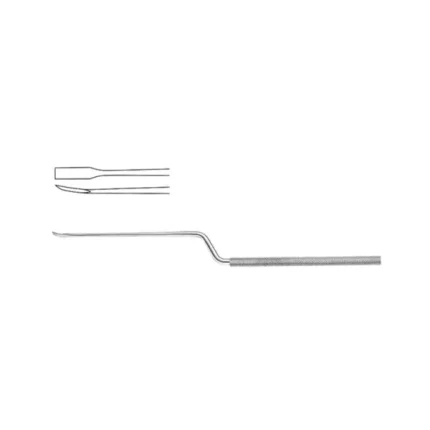
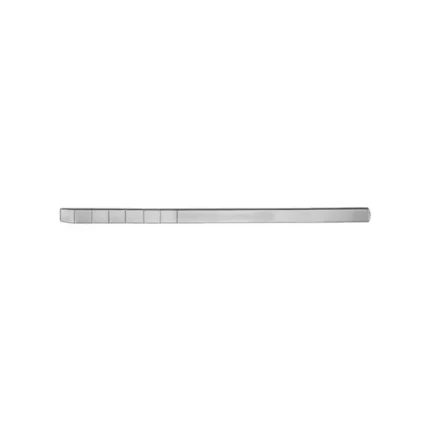
Cottle Elevator Double-Ended
The Cottle Elevator Double-Ended ENT (ASI-8187) is a precision instrument designed for delicate ear, nose, and throat procedures. Crafted from high-grade German stainless steel, it offers exceptional durability and reliable performance. This double-ended elevator provides two functional tips on a single handle to streamline surgical workflows. Its ergonomic design ensures a firm, comfortable grip during delicate maneuvers.
The instrument features a clean, dull matte finish that minimizes glare under bright operating room lights. It is specially manufactured by Aero surgical Instruments in Sialkot, Pakistan, adhering to international surgical standards. This double-ended tool allows surgeons to elevate, dissect, and manipulate soft tissue effortlessly. Its sleek profile enables easy access to narrow nasal passages and sinus cavities.
Built to withstand repeated sterilization, this surgical elevator maintains its strength and structural integrity over time. The dual-ended configuration saves valuable surgical setup time by combining two essential functions in one unit. It is ideal for rhinoplasty, septoplasty, and various nasal reconstructive procedures. Practitioners can rely on its balance and precise control during intricate operations.
Frequently Asked Questions (FAQs):
-
What is the primary function of the Cottle Elevator ASI-8187? It is designed to elevate, dissect, and separate delicate mucosal tissues during nasal and ENT surgical procedures.
-
What material is used to manufacture this instrument? It is constructed from premium German stainless steel for high strength and corrosion resistance.
-
What type of finish does this elevator have? It features a dull, matte finish to prevent light reflection and glare under surgical lamps.
-
Why is the double-ended design beneficial? It combines two functional tips on one handle, reducing the need to switch instruments mid-procedure.
-
Who is the manufacturer of the ASI-8187? It is manufactured by Aerosurgical Instruments, located in Sialkot, Pakistan.
-
In which medical specialties is this tool commonly used? It is primarily used in ear, nose, and throat (ENT) surgery, particularly in septoplasty and rhinoplasty.
-
Is this instrument reusable? Yes, it is a fully reusable surgical instrument designed to endure standard sterilization processes.
-
How does the matte finish help the surgeon? It eliminates harsh glare from overhead surgical lighting, reducing eye fatigue during long operations.
-
What is the product code/SKU for this Cottle Elevator? The specific product identifier for this item is ASI-8187.
-
Is this elevator suitable for pediatric nasal procedures? It is designed primarily for standard adult ENT procedures; pediatric suitability depends on the specific nasal anatomy and surgeon preference.
-
How should the Cottle Elevator be cleaned after use? It should be thoroughly rinsed of debris and processed using standard hospital cleaning and autoclaving protocols.
-
Does the stainless steel construction prevent rusting? Yes, high-grade stainless steel offers superior resistance to rust, staining, and chemical corrosion.
-
Are both ends of the elevator identical? No, the two ends feature slightly different blade contours or angles to provide versatility during tissue elevation.
-
What is the texture of the central handle? The central handle is designed with an ergonomic grip structure to prevent slippage when wearing surgical gloves.
-
Can this tool be used for cartilage separation? Yes, it is frequently used to separate mucoperichondrium and mucoperiosteum from nasal cartilage and bone.
-
Where is this surgical instrument produced? It is made in Pakistan by skilled surgical instrument craftsmen in Sialkot.
-
Does the instrument require special maintenance? Routine cleaning, sterilization, and periodic inspection for alignment and edge integrity are recommended.
-
How does this differ from a single-ended elevator? A single-ended model offers only one working tip, whereas this double-ended version offers two distinct working ends in one tool.
-
What quality grade of steel is used? It utilizes surgical-grade German steel to ensure long-lasting durability and edge retention.
-
Is the ASI-8187 supplied sterile or non-sterile? It is typically supplied non-sterile and must be properly cleaned and autoclaved before its initial use.