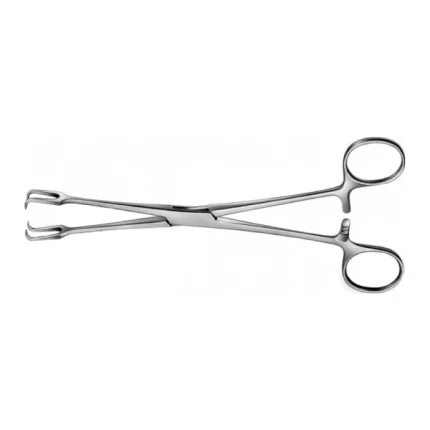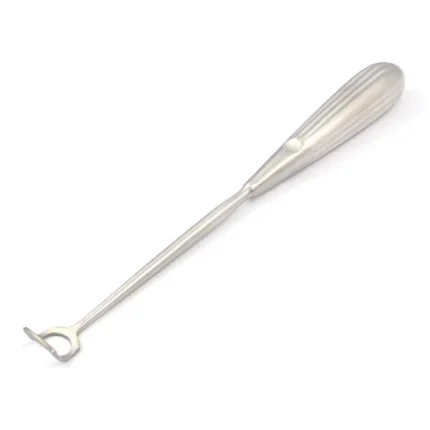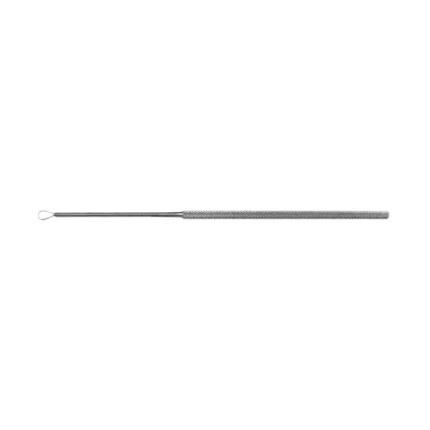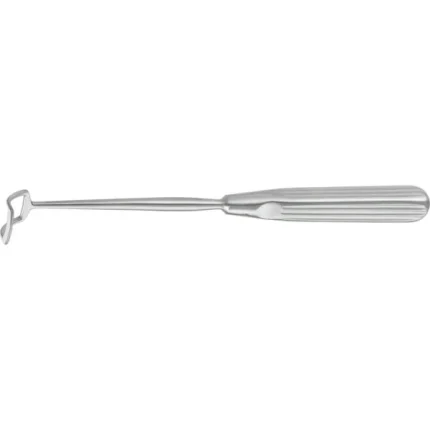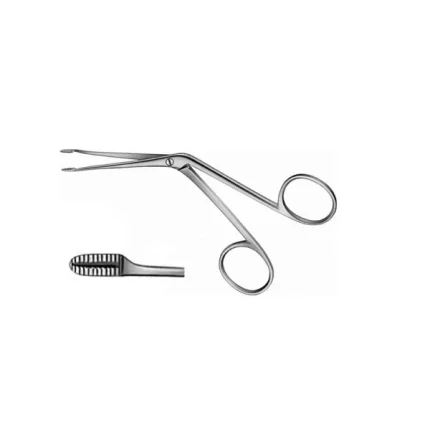

Wullstein Alligator Forceps
The ASI-8164 Wullstein Alligator Forceps are essential tools for medical specialists. These premium ENT instruments provide incredible control during delicate operations. Craftsmen make them using surgical-grade German stainless steel. You can rely on this metal for high durability. The sturdy build prevents rusting during repeated use. Each pair withstands intense sterilization procedures regularly.
Surgeons use these micro forceps for precise ear and nose procedures. The narrow, long shaft reaches deep anatomical areas smoothly. It passes through narrow ear canals without obstructing the surgeon’s direct view. The alligator-style jaw action opens and closes with ultimate accuracy. This design allows doctors to extract foreign objects safely.
The tool features an ergonomic handle for comfortable handling. Surgeons maintain steady hands throughout long operations easily. The dull matte finish reduces harsh light reflections. Glare-free working environments protect the medical staff’s eyes. You get clear visibility under bright operating room lighting.
Every unit reflects superior craftsmanship from Sialkot, Pakistan. Experienced technicians shape every part to strict international medical standards. High quality control guarantees smooth jaw movement every time. The tips align perfectly to grip delicate tissues without slipping. Doctors can handle sensitive ear drum membranes safely.
Cleaning these forceps remains simple for hospital staff. They fit standard autoclaves without degrading the metal frame. Corrosion resistance extends the overall product life significantly. Clinics save money over time by avoiding quick replacements. The ASI-8164 model delivers dependable lifetime service.
Upgrading your surgical kit improves overall patient outcomes. Precise tools shorten procedure times for operating teams. Patients experience fewer complications thanks to delicate tissue handling. Choose Aero surgical instruments for professional excellence and trust. Equip your clinic with these high-grade surgical instruments today.
Frequently Asked Questions (FAQs):
-
What primary surgical field uses the ASI-8164 forceps?
They are specifically designed for ENT (Ear, Nose, Throat) and microsurgery procedures.
-
What materials are used to manufacture these forceps?
They are crafted using high-grade German stainless steel.
-
Where are these surgical instruments manufactured?
They are manufactured by Aerosurgical Instruments in Sialkot, Pakistan.
-
What type of finish is applied to the metal surface?
They feature a non-reflective, dull matte finish to prevent light glare.
-
Are the ASI-8164 alligator forceps reusable?
Yes, they are 100% reusable and built for long-term clinical use.
-
Can these instruments be autoclaved safely?
Yes, they withstand standard high-heat and pressure autoclave sterilization cycles.
-
How does the alligator jaw mechanism work?
The jaw opens only at the tip while keeping the main shaft stationary.
-
What is the main function of the thin shaft design?
The thin shaft allows deep reach into narrow canals while maintaining a clear line of sight.
-
Can these forceps remove foreign bodies from the ear canal?
Yes, their micro-jaw structure is ideal for grasping foreign objects or tissue.
-
Do these forceps offer corrosion resistance?
Yes, premium stainless steel protects the tool from rusting and corrosion.
-
Is the grip handle comfortable for long procedures?
Yes, the ergonomic ring handle reduces hand fatigue during lengthy surgeries.
-
How do the jaw tips aid in delicate procedures?
The precision-aligned tips provide a secure grip on tiny tissues without crushing them.
-
Are these forceps suitable for pediatric ENT procedures?
Yes, the slender profile fits tiny ear canals easily.
-
Does the matte finish help under surgical lights?
Yes, it absorbs excess light reflection to protect the surgeon’s eye vision.
-
What makes German stainless steel better for medical tools?
It maintains sharp structural integrity and resists wear after multiple sterilizations.
-
Are these instruments certified for global surgical standards?
Yes, they are produced according to strict international medical device guidelines.
-
Can these be used for nasal polyp removals?
Yes, they are commonly used to grasp small polyps or tissue fragments.
-
How do I prevent damage to the micro tips during storage?
Store them in dedicated instrument trays with protective tip covers when not in use.
-
What model code identifies this specific instrument?
This specific product is identified under model code ASI-8164.
-
Why are alligator forceps preferred over standard tweezers?
They provide stronger gripping force and better visibility in deep, narrow anatomical spaces.