
Tooth Extracting Forceps (English pattern)
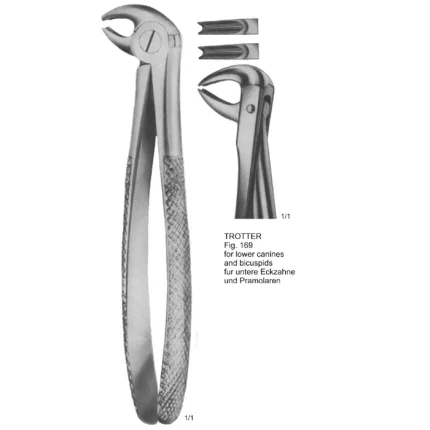
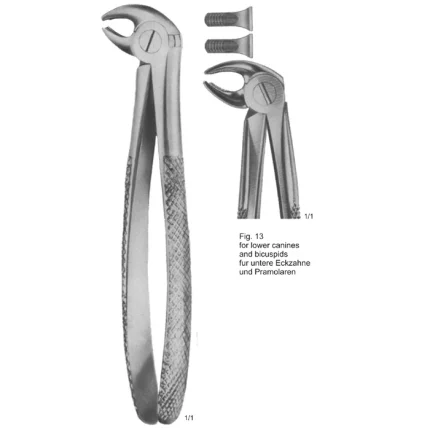
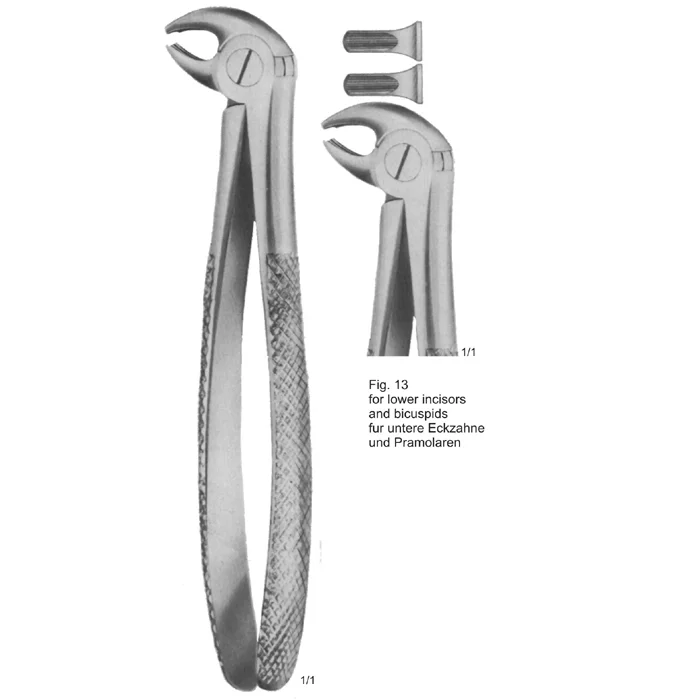
The ASI-2155 is a high-grade dental instrument designed specifically for tooth extraction procedures. It follows the traditional English pattern design to ensure maximum efficiency during extractions. Manufactured from premium German stainless steel, this tool delivers unmatched durability and structural integrity. It is explicitly tailored for extracting lower incisors and bicuspids (premolars) safely.
The forceps feature a refined dull and matte finish to eliminate glare under harsh clinic lighting. This specialized finishing ensures optimal visibility for the practitioner throughout the procedure. Craftsmanship by Aero surgical Instruments in Sialkot, Pakistan, guarantees rigorous quality control standards. Every unit is built to withstand repeated sterilization cycles without losing performance.
Dental professionals rely on precise instrument ergonomics to reduce hand fatigue during long procedures. The handle design allows a firm grip and balanced force application. Lower incisors and premolars demand exact beak alignment to prevent tooth fracture. This instrument provides the precise tactile feedback needed for delicate extractions.
The high-grade stainless steel construction prevents rust, corrosion, and wear over time. It serves as a dependable tool for busy general dental practices and oral surgery clinics. Routine maintenance and proper autoclave protocols keep the instrument in pristine condition for years.
In addition to superior durability, the sleek contours optimize control during high-torque movements. Clinicians can confidently maintain steady mechanical advantage during complex tooth removals. Furthermore, every batch undergoes strict stress-testing to eliminate micro-fractures prior to distribution. This rigorous manufacturing standard ensures long-term safety for patients and clinicians alike. Investing in these professional-grade forceps guarantees reliable, repeatable performance across thousands of clinical applications.
Frequently Asked Questions (FAQs):
-
What is the product model number?
The item reference number for this instrument is ASI-2155.
-
What pattern does this extracting forcep follow?
It is designed according to the English pattern.
-
Which teeth is this instrument specifically designed for?
It is intended for extracting lower incisors and bicuspids (premolars).
-
What material is used to make these forceps?
The forceps are made from high-quality stainless steel.
-
Where is the raw steel sourced from?
The tool utilizes premium German steel for superior strength.
-
What type of surface finishing does it feature?
It comes with a dull and matte finishing.
-
Why is a matte finish important for surgical tools?
It reduces light reflection and glare under intense clinical lights.
-
Who is the manufacturer of this product?
It is manufactured by Aero surgical Instruments.
-
Where is the manufacturing facility located?
The product is made in Sialkot, Pakistan.
-
Is this instrument autoclavable?
Yes, its high-grade stainless steel allows for standard sterilization procedures.
-
Is this tool suitable for pediatric extractions?
No, this is designed for standard adult dental anatomy.
-
Can it be used on upper incisors?
No, the English pattern shape is contoured specifically for lower jaw teeth.
-
Does the finish help prevent corrosion?
Yes, the matte stainless steel treatment offers enhanced resistance to rust.
-
How does the English pattern differ from the American pattern?
English pattern forceps feature a hinge that moves vertically rather than horizontally.
-
Does the design assist with grip stability?
Yes, the handle shape ensures a non-slip grip during tooth luxation.
-
Is this forceps part of a specialized surgical set?
It can be purchased individually or integrated into an English pattern dental set.
-
What is the primary benefit of German steel in dental tools?
It offers higher tensile strength and maintains joint tightness longer.
-
Can these forceps be used for molar extractions?
No, molars require broader satisfy beaks tailored to multi-rooted teeth.
-
How should the instrument be stored after sterilization?
Store it in a clean, dry, and sterile environment to prevent contamination.
-
Is this tool suitable for general oral surgery practices?
Yes, it is a standard essential tool for general dentists and oral surgeons.


