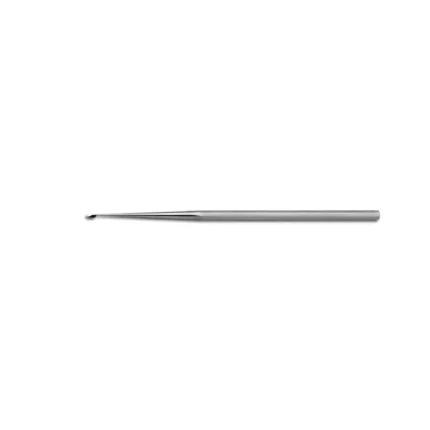
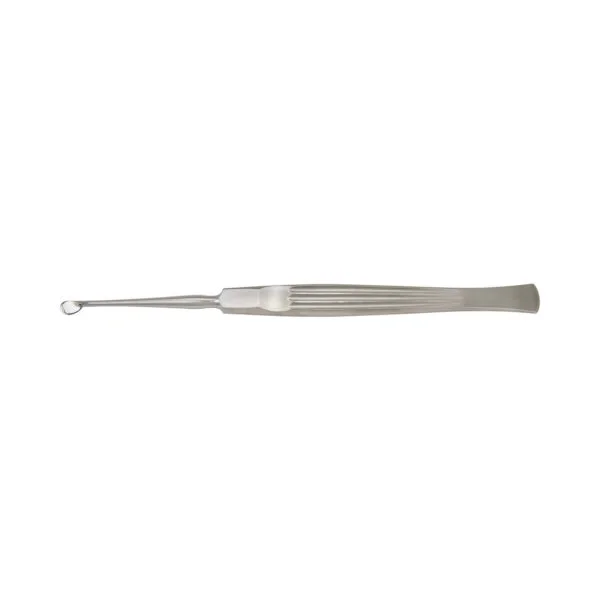
Freer Septum Knife
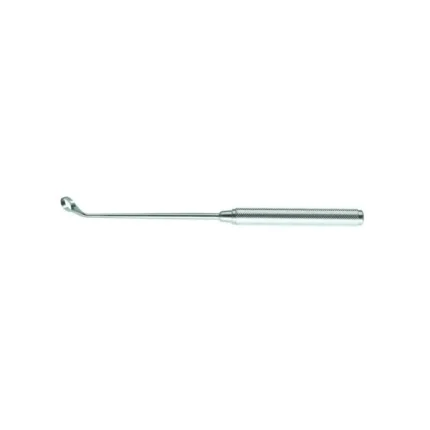
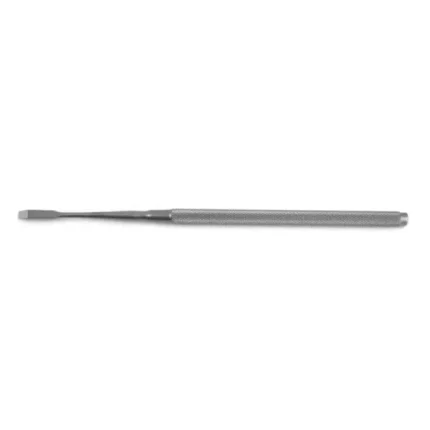
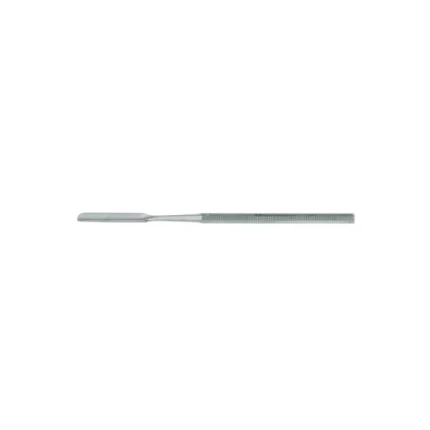
The Freer Septum Knife (ASI-8229) is a precision ENT instrument designed for nasal and septal procedures. Surgeons rely on this tool for delicate tissue incision and mucosal elevation. Crafted from high-grade German stainless steel, it offers exceptional strength and durability. The dull matte finish reduces glare under bright operating room lighting. Its sharp, curved blade ensures accurate cutting with minimal tissue trauma. The ergonomic handle provides maximum control and a firm grip during intricate surgery.
Engineered for longevity, this knife maintains its performance through repeated sterilization cycles. It meets international medical quality standards for reliability and safety. Designed for precision, it aids in smooth cartilage shaping and septal reconstruction. Healthcare professionals trust this tool for consistent surgical outcomes. It is easy to sanitize, autoclave, and integrate into standard ENT surgical trays. The lightweight build helps prevent hand fatigue during long operations.
Manufactured in Sialkot, Pakistan, by Aero surgical, it reflects fine craftsmanship. It is an essential instrument for modern otorhinolaryngology practices.
Frequently Asked Questions (FAQs):
-
What primary function does the Freer Septum Knife serve? It is specifically designed for making accurate incisions in septal mucosal tissue during ENT procedures.
-
Which surgical specialty commonly utilizes this instrument? Otorhinolaryngology (ENT) surgeons primarily use this knife for rhinoplasty and septoplasty operations.
-
What material is used to manufacture the ASI-8229? It is forged from premium German-grade stainless steel for high durability and corrosion resistance.
-
Why does the knife feature a dull matte finish? The matte finish eliminates light reflections and glare under intense surgical illumination.
-
Is this instrument reusable? Yes, it is fully reusable and designed to endure repeated autoclave sterilization cycles.
-
Who is the official manufacturer of this knife? It is manufactured by Aero surgical Instruments in Sialkot, Pakistan.
-
How does the blade design aid surgical procedures? The fine, sharp blade allows for smooth mucosal elevation with minimal surrounding tissue damage.
-
What handle design features does the knife incorporate? It features an ergonomic handle optimized for enhanced grip, control, and surgical precision.
-
Does the knife resist rusting and corrosion? Yes, the high-grade stainless steel composition offers excellent protection against rust and chemical corrosion.
-
How does the instrument help reduce surgeon fatigue? Its balanced weight distribution minimizes hand strain during prolonged medical procedures.
-
Is the Freer Septum Knife suitable for pediatric ENT surgeries? Yes, its precise blade tip allows for delicate maneuvers appropriate for varying patient anatomical scales.
-
What standard cleaning protocols should be followed for this knife? It should undergo standard enzymatic pre-cleaning followed by ultrasonic washing and autoclaving.
-
What product SKU or model number identifies this item? This specific product is identified under the model code ASI-8229.
-
How is the blade edge protected during shipping? It is packaged in protective casing to prevent blade dulling and ensure sterile integrity upon delivery.
-
Does the knife conform to global medical manufacturing standards? Yes, Aero surgical instruments are produced in alignment with international quality management standards.
-
What is the primary advantage of German steel over standard steel? German steel maintains a sharper edge for longer durations and superior resistance to structural wear.
-
Can this knife be included in general nasal surgical trays? Yes, it is a staple component in standard septoplasty and mucosal dissection instrument sets.
-
How does the blade shape facilitate tissue elevation? The rounded, sharp profile allows smooth separation of the mucoperichondrial from the underlying cartilage.
-
What maintenance is required to prolong instrument life? Regular inspection, thorough drying post-wash, and proper sterilization will preserve its operational quality.
-
Is the instrument supplied sterile or non-sterile? It is typically supplied non-sterile and must be sterilized prior to first clinical use.