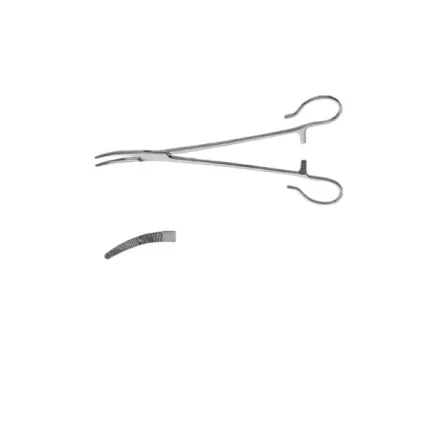
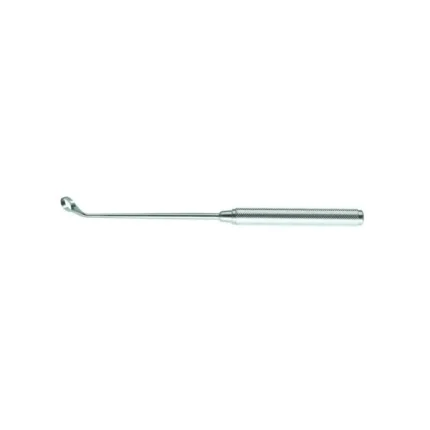
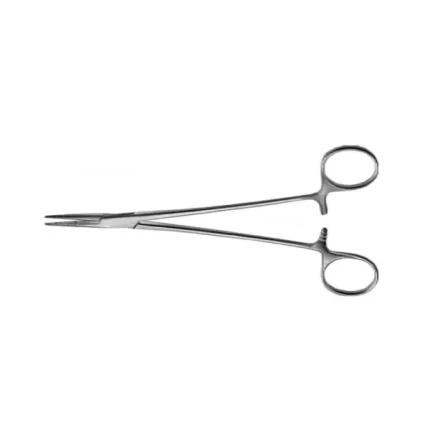
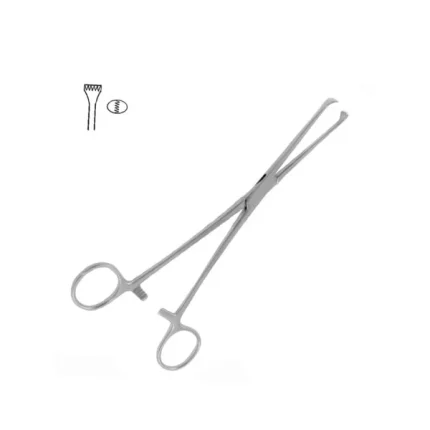
Gast Tongue Blade
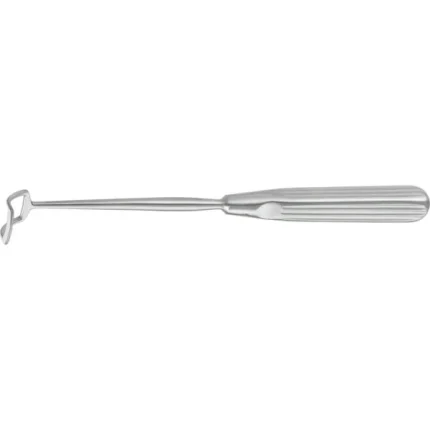
The Gast Tongue Blade (ASI-8256) is a vital ENT surgical tool designed to depress the tongue and keep the oral cavity open during diagnostic and therapeutic procedures. Crafted from premium-grade German stainless steel, it offers exceptional durability, resistance to corrosion, and reliable performance under rigorous clinical conditions.
The matte and dull finishing minimizes glare from operating lights, ensuring clear visibility for surgeons during throat and mouth examinations. Manufactured by Aero surgical Instruments in Sialkot, Pakistan, this precision instrument meets high medical standards for safety and ergonomics.
Its smooth edges prevent tissue trauma, ensuring optimal patient safety and comfort during use. The ergonomic handle provides a comfortable and firm grip, allowing accurate control throughout medical procedures. It is fully reusable and suitable for standard sterilization routines, including autoclaving. This reliable ENT instrument is ideal for clinics, hospitals, and surgical centers requiring top-tier surgical equipment.
Key Structural & Clinical Features
The Gast Tongue Blade (ASI-8256) incorporates specialized structural features designed to maximize clinical efficiency and maintain tissue integrity. Engineered specifically for demanding ENT procedures, it delivers exceptional force distribution across the blade surface. This balanced weight distribution allows practitioners to achieve necessary retraction depth with minimal manual effort.
The non-reflective satin-matte finish is applied using advanced surface-treatment technology. This finish effectively diffuses intense operating light reflections, eliminating harsh glare during microscopic or endoscopic examinations. As a result, surgical teams experience reduced eye strain and enhanced visual precision during lengthy procedures.
Safety is paramount in oral instrumentation. The ASI-8256 features precision-bevelled, ultra-smooth edges that prevent accidental laceration or pinching of sensitive mucous membranes. Its broad, contoured blade surface supports uniform pressure application on the lingual dorsum, preventing tissue slipping or gagging triggers.
Manufactured using high-density surgical steel alloys, the instrument displays extreme torsional rigidity. It will not flex, bend, or deform under maximum manual depression force. This structural integrity guarantees reliable retraction even during challenging diagnostic procedures or patient involuntary muscle spasms.
From a hygiene perspective, the seamless single-piece construction leaves no crevices, joints, or welds where bio-burden or pathogens can accumulate. This smooth design streamlines manual pre-cleaning and ensures maximum efficacy during automated thermal disinfection and autoclaving. The corrosion-resistant alloy resists pitting, staining, and chemical oxidation caused by repeated exposure to harsh enzymatic detergents and high-pressure steam sterilization.
Its ergonomic handle profile accommodates multiple gripping styles, allowing both left- and right-handed practitioners to maintain absolute stability. The balanced center of gravity offers superior tactile feedback, enabling precise control when maneuvering within restricted oral pathways. These integrated features make the Gast Tongue Blade an essential, high-performance solution for modern surgical environments.
Frequently Asked Questions (FAQs):
-
What is the primary function of the Gast Tongue Blade?
It depresses the tongue to allow clear examination and access to the throat and oral cavity.
-
Which medical specialty frequently uses this instrument?
It is primarily used in ENT (Ear, Nose, and Throat) diagnostics and surgical procedures.
-
What material is the ASI-8256 made from?
It is constructed from high-quality German stainless steel for maximum longevity and corrosion resistance.
-
What type of surface finish does this product have?
It features a dull, matte finish to prevent light reflection during surgical examinations.
-
Why is a non-reflective matte finish important in surgical tools?
It reduces glare from bright operating room lights, improving surgeon visual clarity.
-
Where is this tongue blade manufactured?
It is manufactured by Aerosurgical Instruments in Sialkot, Pakistan.
-
Is the Gast Tongue Blade single-use or reusable?
It is a reusable surgical instrument designed for long-term clinical utility.
-
How should this instrument be sterilized after use?
It can be sterilized using standard autoclaving and medical-grade chemical sterilization methods.
-
Does the design help prevent patient injury?
Yes, it features smooth, rounded edges to protect delicate oral mucosa from trauma.
-
What is the product model number for this tongue depressor?
The model reference number for this specific item is ASI-8256.
-
Is this instrument resistant to rusting and corrosion?
Yes, its premium German steel composition provides high resistance to rust and chemical wear.
-
What handle design feature aids the surgeon during a procedure?
The ergonomic handle offers a secure, slip-resistant grip for steady control.
-
Can this tool be included in standard ENT surgical sets?
Yes, it is a standard component in basic diagnostic and surgical ENT instrument kits.
-
Is this product suitable for pediatric as well as adult patients?
Depending on the specific dimensions, it is designed to accommodate general clinical oral examinations.
-
Does the stainless steel material react with common cleaning detergents?
No, high-grade surgical steel is formulated to withstand standard medical decontamination solutions.
-
How does the Gast Tongue Blade differ from disposable wooden tongue depressors?
It provides rigid structural stability, superior durability, and can be repeatedly sterilized.
-
What quality assurances are associated with Aero surgical Instruments?
Aero surgical Instruments manufactures medical-grade tools adhering to strict international manufacturing practices.
-
Does the blade bend or flex during tissue depression?
No, the sturdy German steel construction prevents bending under normal operational pressure.
-
What tissue types does this tool interact with?
It directly contacts the soft tissue of the tongue and oral cavity mucosa.
-
Who is the target user for this medical device?
It is designed for licensed ENT specialists, general practitioners, and surgical medical staff.